Leg raise: how to do it, muscles worked and variations
Hip flexion and abdominal control, hanging or supported.
- Main muscles
- Rectus abdominis, Iliopsoas
- Secondary muscles
- Obliques, Latissimus dorsi
- Equipment
- Bodyweight, Pull-up bar, Captain's chair
- Variations
- 5
All 5 variations
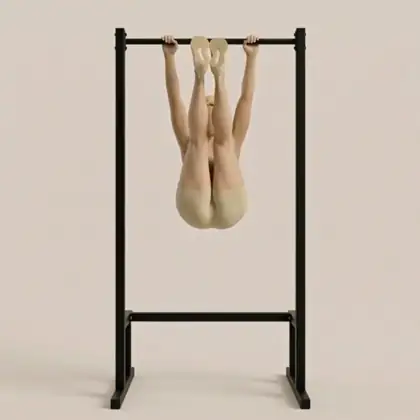
Toes to bar
From a hang on a bar, raising the straight legs until the feet touch the bar, demanding core and grip strength.
Form. Hang with a firm grip and active shoulders, raise your legs with control curling the pelvis until your feet reach the bar and lower slowly without swinging.
Common mistake. Using swing to come up, hanging with passive shoulders, arching the lower back on the way down, or attempting it before mastering hanging knee raises.
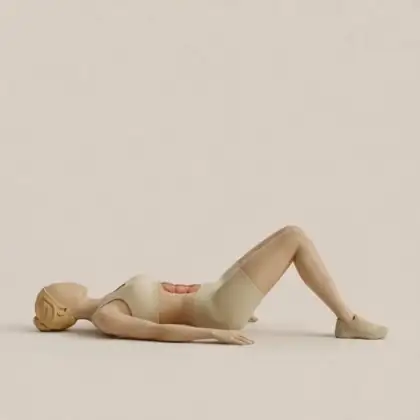
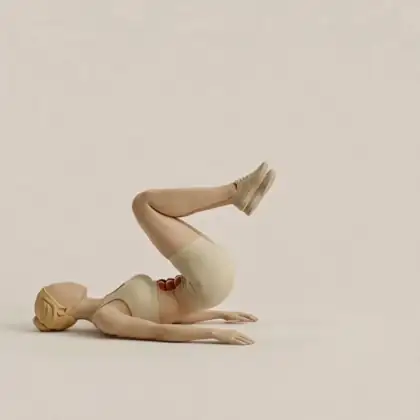
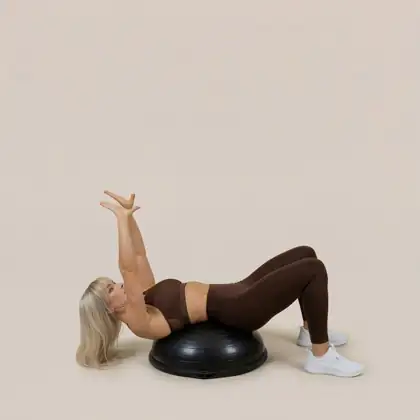
Bench reverse crunch
Pelvis and knee raise on a bench.
Form. Curl the pelvis toward the ribs controlling the descent.
Common mistake. Swinging the legs without moving the pelvis.
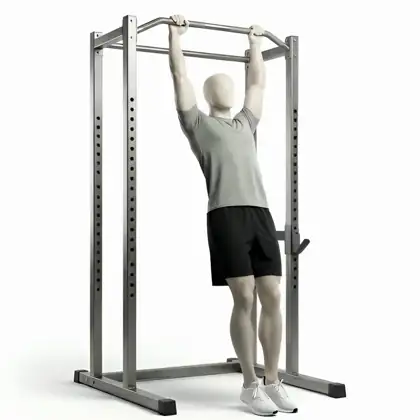
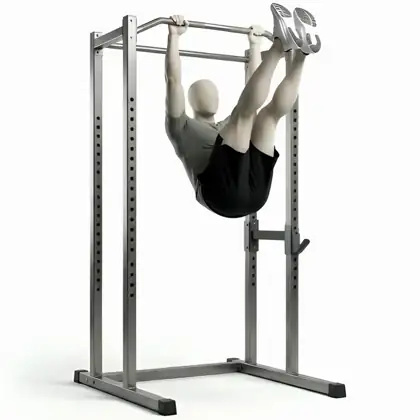
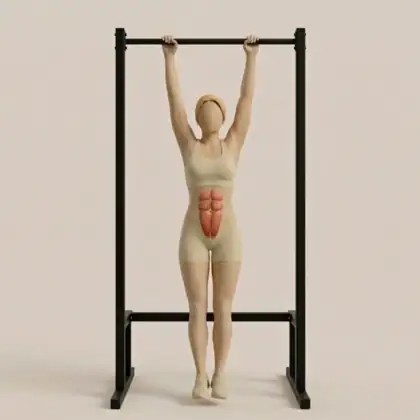
Hanging leg raise
Leg raise from a pull-up bar.
Form. Control the swing and curl the pelvis up at the end if you can.
Common mistake. Swinging to throw the legs up.
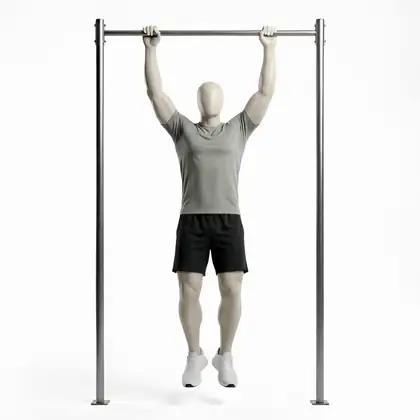
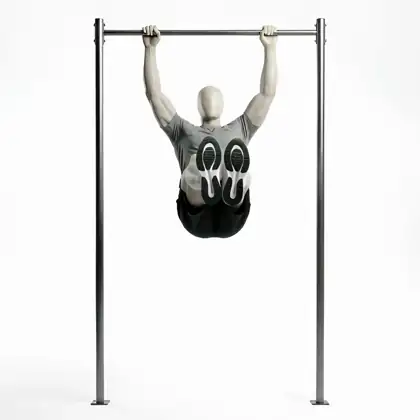
Hanging knee raise
From a pull-up bar, bent knees rise toward the chest; a more accessible progression than the straight-leg raise.
Form. Hang with a firm grip and active shoulders, bring your knees toward your chest curling the pelvis slightly and lower slowly without swinging.
Common mistake. Swinging to build momentum, raising only to hip height without curling the pelvis, or dropping the legs suddenly.
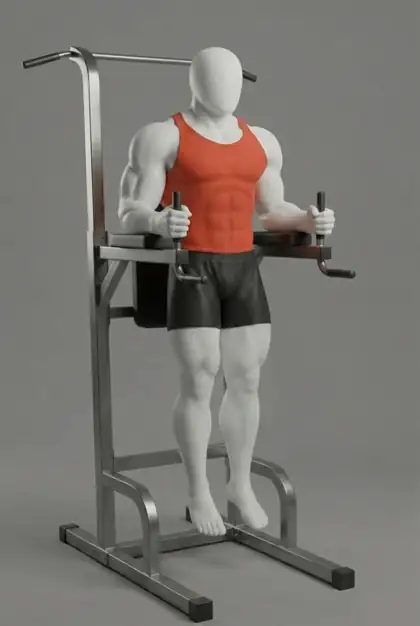
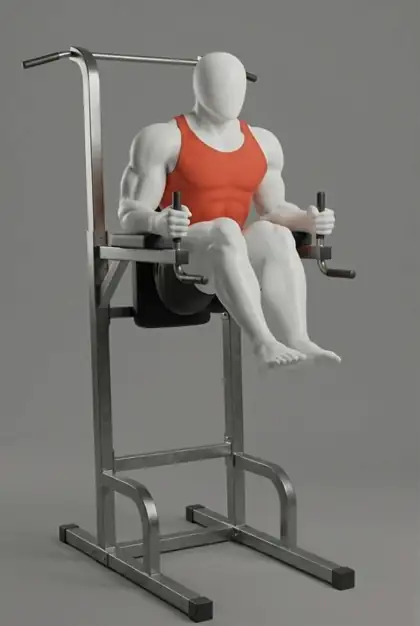
Captain's chair knee raise
Knee raise with the forearms supported.
Form. Keep your back against the pad and raise your knees without swinging.
Common mistake. Shrugging your shoulders or losing lower-back control.
Other exercises for the same muscles