Bench press: how to do it, muscles worked and variations
The bench press mainly works the pectoralis major, with the deltoid and triceps brachii assisting. Lying on a bench, you press the load from your chest to straight arms.
- Main muscles
- Pectoralis major
- Secondary muscles
- Deltoid, Triceps brachii
- Equipment
- Barbell, Smith machine, Dumbbell, Stability ball, Flat bench
- Variations
- 10
How to do it
- Warm up first; the warm-up calculator gives you the weights.
- Lie with your eyes under the bar and take a grip that leaves your forearms close to vertical when it is on your chest. Keep your wrist stacked, not bent back.
- Pull your shoulder blades together and down and dig them into the bench, with your feet flat on the floor.
- Lower the bar towards your breastbone with your elbows below shoulder level, neither tucked against your ribs nor flared straight out.
- Touch your chest without resting the weight on it, then press up and slightly back.
- Watch your shoulders on the last reps. Once they roll forward off the bench, the set is over.
Which muscles it works
The pectoralis major carries the movement in every version. Tilting the bench gives more to the front of the deltoid and the upper chest fibres. On a stability ball, the gluteus maximus also has to hold your hips up.
Which variation to choose
Pick the Barbell bench press for a load that is easy to measure and increase. The Flat dumbbell bench press lets each arm find its own path, which many shoulders prefer. For more upper chest, use the Barbell incline bench press or the Incline dumbbell bench press. The Smith machine bench press lets you push hard without a spotter, although the machine decides the path.
All 10 variations
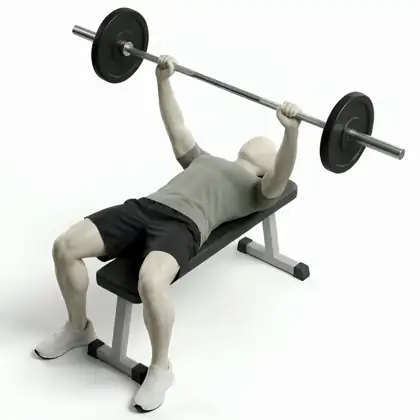
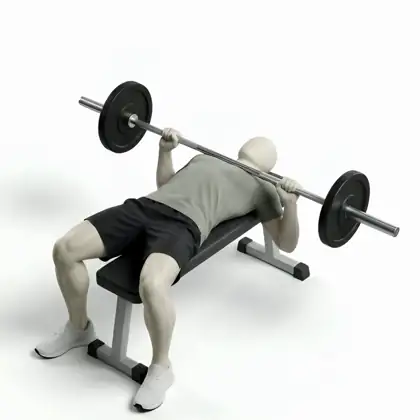
Barbell bench press
Horizontal push with a barbell.
Form. Lower with control and push keeping your feet firm.
Common mistake. Bouncing the bar or losing scapular retraction.
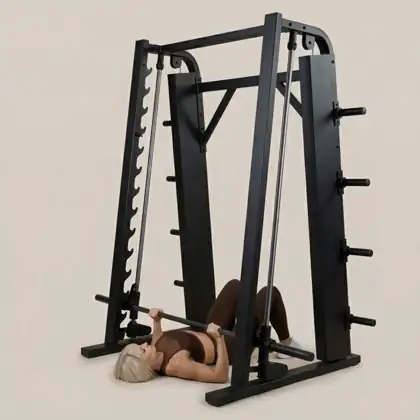
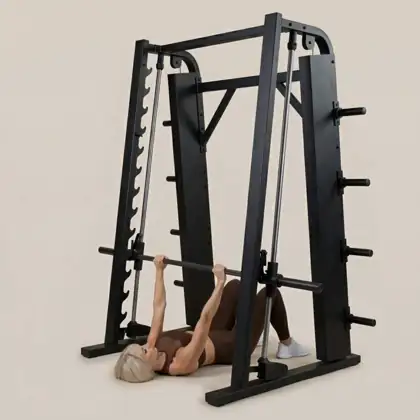
Smith machine bench press
Guided bench press on the Smith machine.
Form. Line up the bench and the bar before loading and use a comfortable range.
Common mistake. Trusting the guide and neglecting the shoulders or wrists.
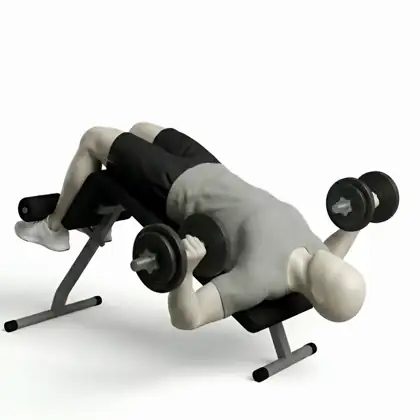
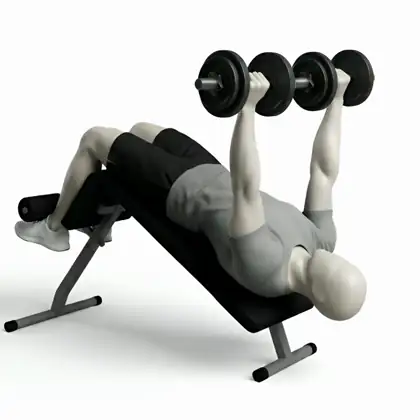
Decline dumbbell bench press
Decline press with dumbbells.
Form. Control the bottom and keep the dumbbells stacked over your forearms.
Common mistake. Lowering in an excessive arc that bothers the shoulder.
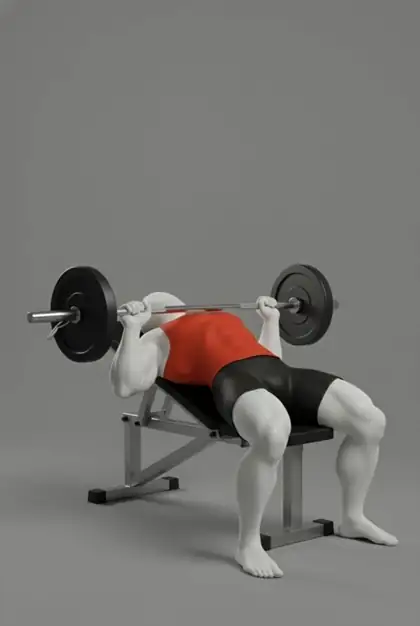
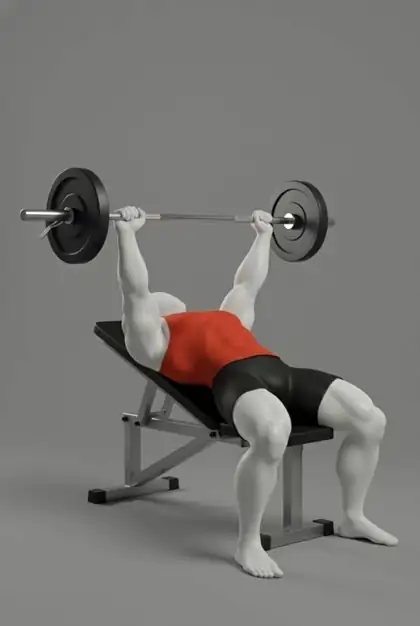
Barbell incline bench press
Barbell press on an incline bench.
Form. Keep your shoulder blades stable and lower toward the upper chest.
Common mistake. Raising the bench too high and turning it into a shoulder press.
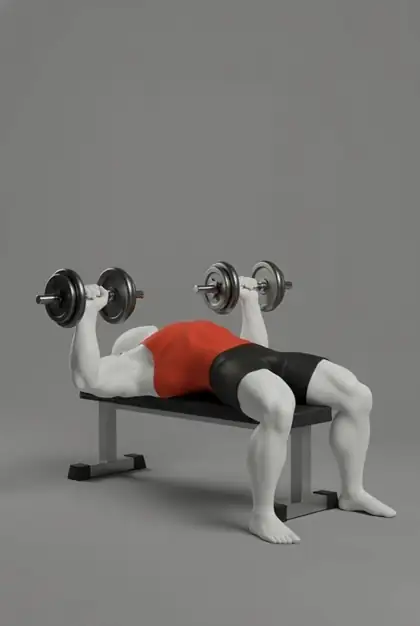
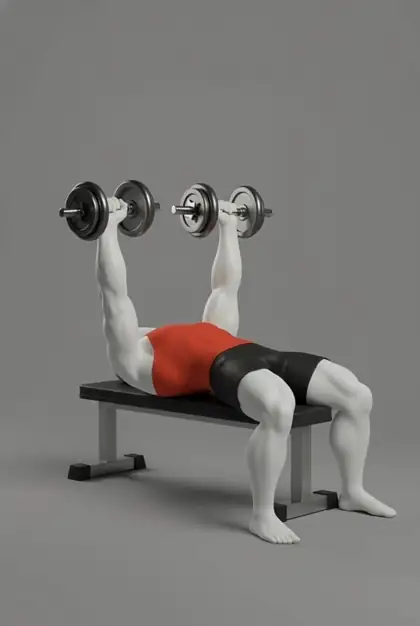
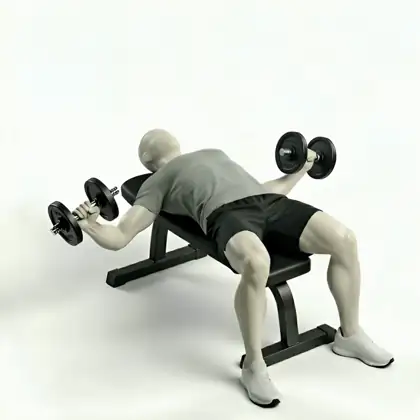
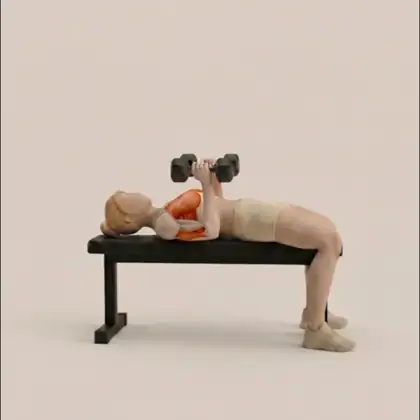
Flat dumbbell bench press
Horizontal press with dumbbells on a flat bench.
Form. Lower with control and push without losing scapular stability.
Common mistake. Clashing the dumbbells at the top or flaring the elbows without control.
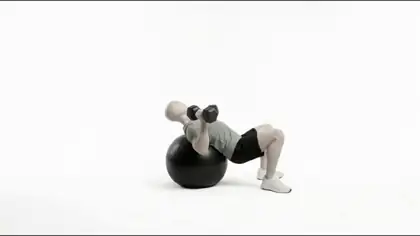
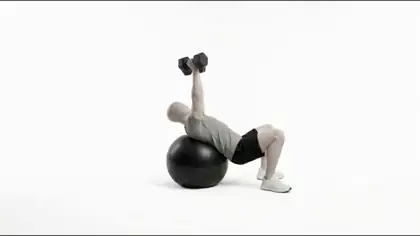
Alternating stability ball chest press
Dumbbell chest press with your upper back on a stability ball and alternating arms, which adds anti-rotation demand.
Form. With your upper back on the ball and your hips raised, press both dumbbells up and lower one while the other waits at the top; push and alternate without the hips or the ball moving.
Common mistake. Letting the hips drop, turning the trunk toward the lowering arm, resting your head off the ball, or lowering without control.
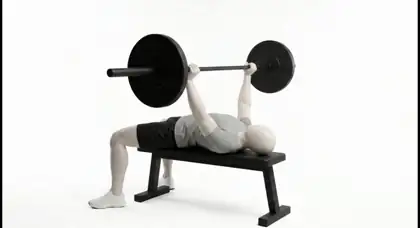
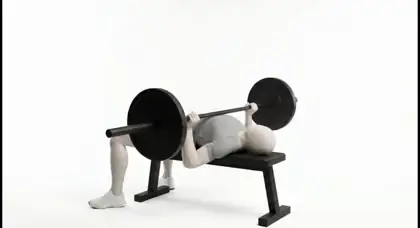
Wide-grip barbell bench press
Flat bench press with a grip wider than usual, which shortens the range and increases pec involvement.
Form. Lie with your eyes under the bar, grip it well wider than shoulder width, retract your shoulder blades and lower the bar with control to the middle of the chest before pushing without lifting your glutes off the bench.
Common mistake. Going so wide that the shoulder is strained, flaring the elbows to 90 degrees from the trunk, bouncing the bar off the chest, lifting the hips, or working without a spotter or safeties with heavy loads.
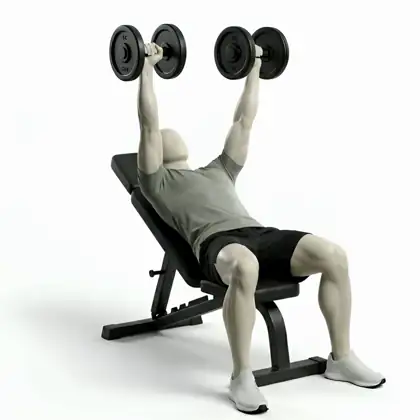
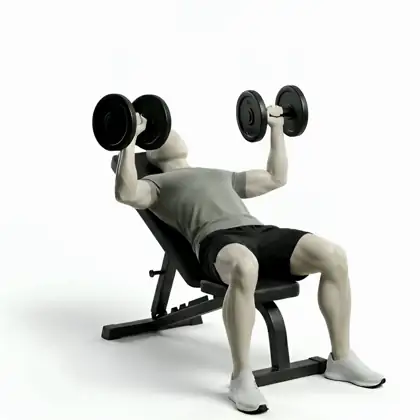
Incline dumbbell bench press
Incline press with dumbbells.
Form. Keep your wrists stacked and control the bottom.
Common mistake. Flaring the elbows without control.
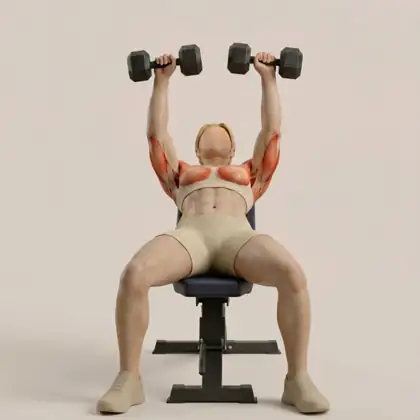
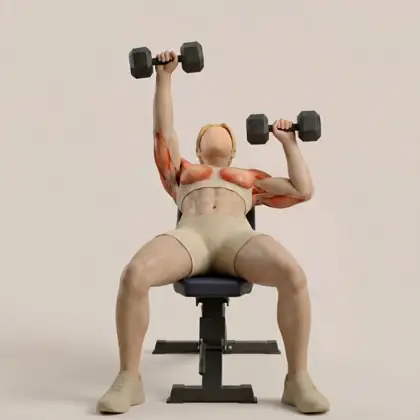
Alternating incline dumbbell press
Incline bench press alternating arms while the other dumbbell waits at the top, which increases time under tension and anti-rotation control.
Form. Press both dumbbells over your chest, lower one to chest height while keeping the other extended, push it back up and alternate without turning the trunk.
Common mistake. Letting the waiting dumbbell drop, rotating the trunk toward the working side, flaring the elbows too much, or speeding up the descent.
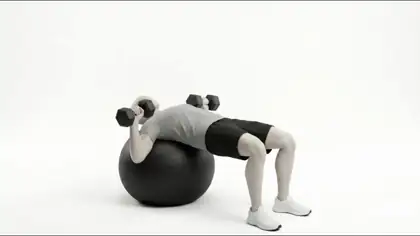
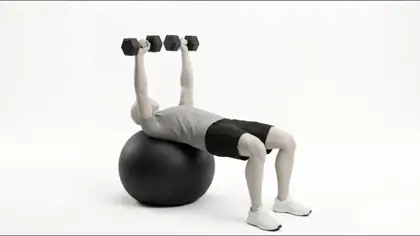
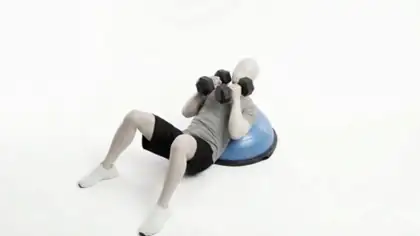
Stability ball dumbbell chest press
Dumbbell chest press with the upper back on a stability ball and the hips in a bridge, adding trunk and glute stability to the press.
Form. Rest your upper back on the ball with your feet firm, raise your hips until they line up with your shoulders and knees, and press the dumbbells over your chest, lowering them with control.
Common mistake. Letting the hips drop, using an under-inflated ball, putting your feet too close together, or handling loads you cannot pick up safely.
Frequently asked questions
- Do I need a spotter?
- With heavy loads, yes, or a rack with the safeties set just below your chest. If the bar stalls on you and you are alone, there is no comfortable way out.
- Is arching your back bad?
- A moderate arch with your glutes on the bench is normal and helps fix the shoulders. An extreme one shortens the range and only makes sense in competition.
Other exercises for the same muscles